.
.
.

Think Casting Custom Investment Castings

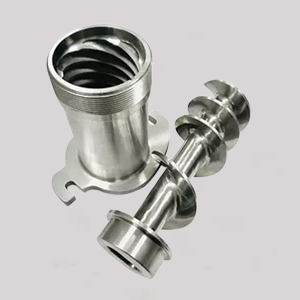
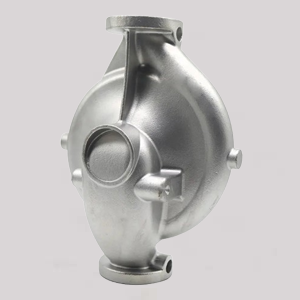
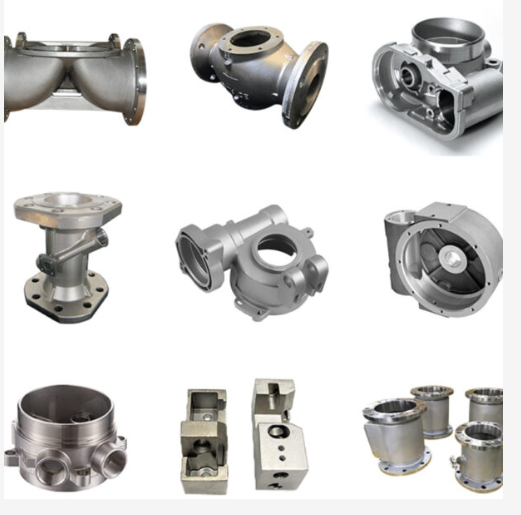
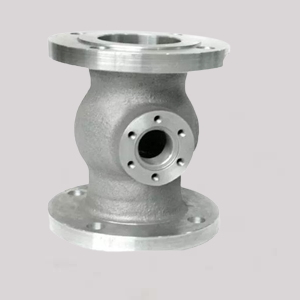
Think Casting supports custom investment casting projects for pump, valve, machinery, automotive and marine components. Our investment casting manufacturers focus connects product selection with practical sourcing requirements. Review alloy grades, drawing revisions, machining allowances and inspection needs before selecting a production route. Stainless steel, carbon steel and specified alloys should be matched to the operating environment.

Work with Think Casting to define the details that matter for your casting order. Share component drawings, expected quantities, surface requirements and delivery expectations. Discuss tooling, sample approval, dimensional checks and material documentation together. A clear technical specification helps buyers compare quotations consistently and gives repeat orders an agreed reference for manufacturing and inspection.
Company News and Blogs

Shrinkage Allowance in Investment Casting: Why One Percentage Is Not Enough

Shrinkage allowance in investment casting is often presented as a single percentage added to a model. That is a convenient introduction, but an incomplete tooling strategy. The finished dimension reflects several stages of the process and the way a particular feature behaves within the component.

3D-Printed Patterns for Investment Casting: Where They Help and What Still Needs Approval

Printed expendable patterns can change the early economics of investment casting by offering a route that does not begin with conventional pattern dies. They are especially worth evaluating when geometry is still developing. However, removing a tooling step does not remove the need to qualify the mold and metal-processing route.

Gating and Feeding in Investment Casting: Filling Is Only Half the Job

Gating delivers metal into the casting cavity. Feeding supplies metal where needed as the casting solidifies. Although these functions interact, solving a filling problem does not automatically solve a shrinkage problem. Gating and feeding design should therefore be evaluated as part of the complete solidification route.

Wax Pattern Design: Protecting the Dimensions Before Metal Is Poured

A wax pattern is an intermediate manufacturing object, not simply a miniature copy of the finished metal part. Its geometry must account for the production route and survive handling, assembly and shell preparation. Wax pattern design therefore connects the drawing to several operations that occur before pouring.

Dewaxing Defects: Investigating Shell Damage Before Casting

Dewaxing removes pattern material from the prepared investment mold. A problem at this stage can compromise the shell before metal enters it, making early detection especially valuable. Investigating dewaxing defects requires attention to the pattern assembly, shell condition and removal sequence rather than treating every crack as the same problem.

Investment Casting Process at Think Casting

1

Drawing Review and Casting Requirements

Think Casting reviews drawings, alloy specifications, order quantities and inspection requirements before tooling. Confirm critical features, machining allowances and acceptance criteria for the intended casting application.

2

Tooling Design and Wax Pattern Planning

Think Casting coordinates tooling requirements with the approved component drawing. Pattern dimensions, shrinkage allowances and injection features are reviewed before preparing wax samples for evaluation.

3

Wax Pattern Injection and Inspection

Think Casting checks wax patterns for complete filling, surface defects and dimensional consistency. Approved patterns provide the component shapes used to build the investment casting assembly.

4

Wax Tree Assembly and Gating Review

Think Casting groups wax patterns around a gating system suited to the casting geometry. Assembly checks help maintain spacing and access for consistent ceramic shell coverage.

5

Ceramic Shell Building and Drying

Think Casting plans repeated slurry coating, stucco application and controlled drying around the wax assembly. Shell preparation must suit the selected alloy, component dimensions and pouring requirements.

6

Dewaxing and Ceramic Shell Preparation

Think Casting coordinates wax removal and shell preparation before pouring. Inspect the ceramic mold for damage and complete the specified heating cycle for the planned casting process.

7

Alloy Melting and Controlled Pouring

Think Casting reviews alloy identification and melting requirements before metal enters the prepared shell. Pouring conditions are specified to suit component geometry and the selected material grade.

8

Shell Removal and Casting Separation

Think Casting plans ceramic removal and separation of individual castings from the gating system after cooling. Cleaning methods should protect critical surfaces and leave suitable finishing allowances.

9

Heat Treatment and Surface Finishing

Think Casting specifies heat treatment and finishing according to the approved material and drawing requirements. Required properties, surface condition and dimensional effects should be reviewed before processing.

10

Precision Machining of Critical Features

Think Casting coordinates machining of designated holes, threads, sealing faces and locating features. Use the approved drawing revision to check tolerances and protect surfaces needed for assembly.

11

Dimensional and Material Inspection

Think Casting reviews dimensional results and specified material documentation before acceptance. Additional testing is agreed according to application requirements, with discrepancies addressed before cast components are released.

12

Final Review and Protective Packaging

Think Casting checks order identification, quantities and agreed inspection records before packing. Suitable protection, labeling and handling instructions help prepare finished cast components for transport and receipt.

Why Choose Think Casting for Castings?

  • Custom Investment Casting Solutions
  • Drawing and Material Review
  • Sampling Plans for Your Components
  • Precision Castings for Industrial Applications
  • Support for Repeat Casting Orders